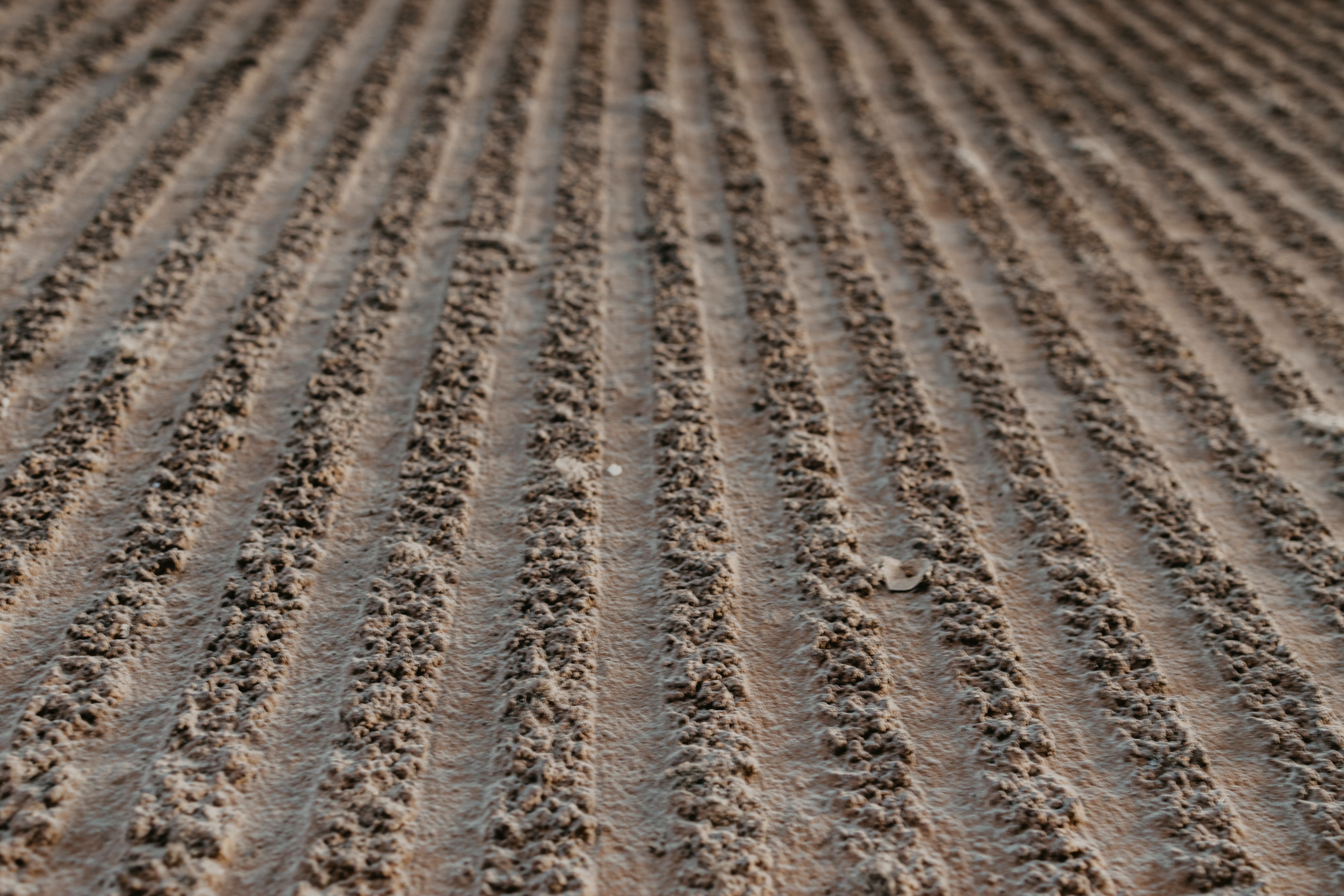
There is a field on this farm we used to call the hungry acre. Whatever we planted came up pale and sat there, and every fertiliser pass seemed to wash straight through. A spade told the story: grey dust on top, a hard pan a fork's depth down, and not an earthworm anywhere.
Soil tests confirmed what the spade said — organic matter below two percent and biology running on empty. So we stopped feeding the crop and started feeding the soil instead: compost, cover crops, and rest. It felt slow. It was slow. And it worked better than anything we had tried.
What Healthy Soil Actually Looks Like
Forget the lab report for a moment — healthy soil announces itself. It smells sweet and mushroomy, crumbles like cake in your hand, and drains after rain without capping over. Dig a spadeful anywhere on our garden beds today and you will count earthworms before you finish looking.

Cover crops did the heavy lifting. Clover fixed nitrogen, deep-rooted radish punched through the old pan, and rye held the soil through winter storms. Each one was sown not for harvest but for the ground itself — the first crop we grew for the soil rather than the box.
How Yields Followed
The hungry acre came good in its third amended season: even emergence, deep green leaves that held their colour, and roots we could pull with two fingers instead of a fork. Across the farm, crops now ride out dry spells that once checked them, because living soil holds water like a sponge.
Our advice to any grower starting this journey: test first, so you know your starting point, then commit to at least three seasons. Soil biology compounds like savings — invisible at first, then suddenly obvious. The hungry acre just grows hungry customers now.